Home › Private Road and Lane Paving
Improve access to your property with professional private road paving in Cleveland, OH. We design and build asphalt lanes for long driveways, shared roads, and rural entrances. Our crews focus on grading, drainage, and base strength to handle regular traffic and weather. Reach out today to plan your private road or lane project and get a detailed estimate.
Precision Asphalt Cleveland provides professional private road paving throughout Cleveland, OH, Ohio and the surrounding area. Our licensed, insured crew delivers safe, clean, on-time work with a free estimate before anything begins. Call (216) 455-8661 or request your free quote.
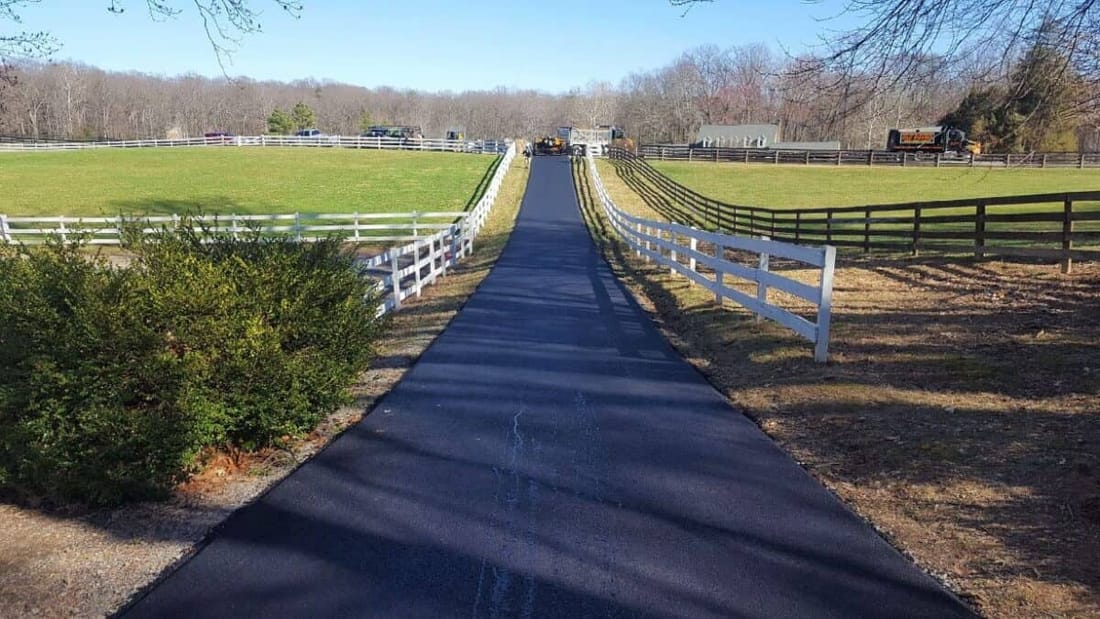
Private Road Paving for Cleveland Properties
Private road paving in the Cleveland area is its own kind of project. Between lake-effect winters, clay-heavy soils, and a mix of older farm lanes and newer subdivision drives, a one-size-fits-all approach does not work. Precision Asphalt Cleveland focuses on designing and building private roads that handle local traffic patterns, drainage issues, and freeze-thaw cycles so you are not dealing with ruts and potholes every spring.
We work with homeowners, HOAs, small commercial sites, churches, and rural property owners across Cuyahoga County and nearby suburbs. Whether you have a winding gravel lane in Chagrin Falls, a shared drive off a West Park side street, or a long access road to a light industrial building, we look at how the road is actually used before recommending a pavement structure.
From the first visit, we are looking at soil conditions, existing base material, nearby ditches or culverts, the age of adjacent pavement, and how delivery trucks or heavier vehicles use the lane. That local field knowledge matters in Cleveland, where one section of property can drain well and the next section stays soft almost all year.
Planning Your Private Road or Lane
A successful private road project in Cleveland starts with a solid plan, not with the first load of asphalt. When Precision Asphalt Cleveland evaluates your road or lane, we begin by walking the full length with you. We note soft spots, standing water, shade from mature trees, and locations where snowplows tend to scrape or push piles.
Next, we confirm what the road needs to do. Is it mostly passenger cars and delivery vans for a small HOA, school buses using a church entrance, or occasional heavy equipment going to a maintenance building or barn The expected load and frequency of use affect base thickness, asphalt depth, and even whether we recommend wider shoulders.
We also address access and shared-ownership details that come up often in Cleveland neighborhoods. If several homes share a lane, we can help mark clear edges, discuss adding a defined turnaround area for plows and garbage trucks, and plan tie-ins to city streets so the transition from public road to private pavement is smooth and safe.
How Private Road Paving Is Actually Done
Once you approve the plan and proposal, the private road paving process follows a clear sequence so there are no loose ends.
1) Layout and grading: We mark the edges of the future pavement and set grades to move water away from the drive. In many Cleveland properties, this includes minor regrading or shaping existing gravel so water runs to the side ditches, not down the middle of the lane.
2) Excavation and base prep: Soft or organic soils are removed where needed. We typically install 4 to 8 inches of compacted aggregate base for light residential lanes, and more for roads that will see heavier trucks. The stone is placed in lifts and mechanically compacted so it behaves as a single, stable layer.
3) Drainage improvements: Private roads here often fail because of trapped water. We may install or clean roadside ditches, replace rotted driveway culverts, or add shallow swales to keep water from soaking the road base. This part is easy to overlook, but it is key to getting more than a few years out of your pavement.
4) Binder course: For new roads or full rebuilds, we usually install a thicker, coarser asphalt binder course first. This layer provides strength and ties into the stone base.
5) Surface course: After rolling and checking the binder, we place a finer top layer that gives you a smoother driving surface. We match thickness and mix to how the road is used, for example a slightly thicker surface where garbage trucks turn in an HOA lane.
6) Compaction and finishing: Each lift of asphalt is compacted with the right roller combination to lock the material together. We pay attention to joints where new asphalt meets old pavement or concrete, so you do not end up with a weak seam that crumbles in winter.
Asphalt Options and Design Choices for Your Lane
Not every private road in Cleveland needs the same asphalt mix or structure. Precision Asphalt Cleveland explains options in plain terms so you can match performance to budget.
For light-duty, low-traffic private lanes mostly used by cars and SUVs, we often recommend a two-course system, for example 2 to 2.5 inches of binder and 1.5 inches of surface. For shared lanes that see frequent service trucks and moving vans, we may increase overall asphalt thickness or strengthen the base material so the surface does not rut where trucks stop and start.
We can also talk about different mix designs. For many residential private roads, a standard state-spec surface mix performs well. For steeper lanes or shaded areas where ice is an issue, we might lean toward mixes with better texture for traction, combined with slight cross slope adjustments so water does not sit on the pavement.
If dust or mud from existing gravel is a problem, we can evaluate whether full asphalt paving, asphalt over an improved gravel base, or a phased approach makes sense. East side properties with longer rural-style lanes sometimes choose to pave the main travel lane first and leave compacted gravel shoulders, then upgrade those shoulders later as budget allows.
What Affects Cost for Private Road Paving in Cleveland
Property owners often want to know why two similar-length roads can have very different prices. The largest cost drivers for private road paving in the Cleveland area are:
Length and width: A long, narrow access lane can be less per foot than a shorter, wider HOA road that has parking pull-offs or turnarounds.
Existing conditions: A lane with a stable gravel base might only need reshaping, additional stone, and asphalt. A road over soft clay or organic fill may require undercutting and more stone, which adds cost but prevents constant patching later.
Drainage work: Replacing rusted culverts, cutting new ditches, or correcting driveway tie-ins can change the budget, yet these improvements often pay off by avoiding major pavement failures.
Access and logistics: Tight city lots around Old Brooklyn or Tremont can take more labor and time to maneuver equipment than a wide-open rural property. That can slightly increase project cost.
Material quantities: Asphalt pricing is tied to oil costs and plant location. We plan loads efficiently so small private roads still get a professional-quality job without excessive waste.
During an estimate, Precision Asphalt Cleveland breaks down these drivers and offers options so you can decide where it makes sense to invest more and where we can economize without hurting long-term performance.
Common Private Road Problems We Solve
Older private roads in Cleveland tend to share a handful of issues, many of which we can correct while paving.
Poor drainage and sinking edges: Lanes that were simply paved over dirt or thin gravel often show crumbling edges and ponding. We widen and rebuild the base where needed, add stone shoulders or edge support, and reshape the profile so water sheds off the road instead of running down the middle.
Alligator cracking and potholes: When the base is weak, you will see web-like cracking followed by potholes. In these areas, we remove the failed pavement and base, rebuild the structure, then tie it back into sound asphalt. This spot repair approach is useful when you want to extend the life of an existing private road but are not ready for a full rebuild.
Tracking mud and dust: Gravel lanes in suburbs like Parma or North Royalton can create constant dust in summer and mud in spring. We can stabilize the base, adjust the grade, and pave the main travel path so you have a clean, solid surface while still controlling cost.
Snowplow damage: Private lanes are often plowed by smaller contractors who may not adjust blade height. We can design a surface with clear edges, durable turnarounds, and good sight lines so plow operators can do their job without tearing up the asphalt every winter.
What to Expect When You Hire Precision Asphalt Cleveland
When you schedule private road paving with Precision Asphalt Cleveland, we outline the timeline and what you need to do before work starts.
We help you coordinate access, for example setting a paving day when residents of a shared lane can park on nearby streets, or planning one side of a loop road at a time so traffic can keep moving. We notify you of any temporary restrictions for deliveries or trash pickup and help you communicate those details to neighbors or tenants.
On site, we keep a clean operation. That means managing truck routes on and off your property, minimizing disruption to landscaping, and leaving safe, clearly marked transitions at the end of each day. For longer projects, we give you daily updates so you know exactly what is finished and what is next.
After paving, we review the road with you, point out drainage paths, and discuss basic care such as keeping ditches clear, avoiding very tight turning of heavy trucks on fresh pavement, and when to consider future maintenance like crack sealing or sealcoating. Our goal is a private road or lane that makes daily access easier, looks good from the street, and holds up through many Cleveland winters without constant repair calls.