Home › Asphalt Pathways, Sidewalks, and Trails
Provide safe, accessible routes with asphalt pathway paving in Cleveland, OH. We construct smooth multi use trails, sidewalks, and paths for parks, schools, and commercial campuses. Our team handles layout, grading, and compaction to create durable walking and biking surfaces. Reach out today to plan your pathway or trail project and request a detailed quote.
Precision Asphalt Cleveland provides professional asphalt pathway paving throughout Cleveland, OH, Ohio and the surrounding area. Our licensed, insured crew delivers safe, clean, on-time work with a free estimate before anything begins. Call (216) 455-8661 or request your free quote.
Asphalt Pathways, Sidewalks, and Trails in Cleveland Neighborhoods
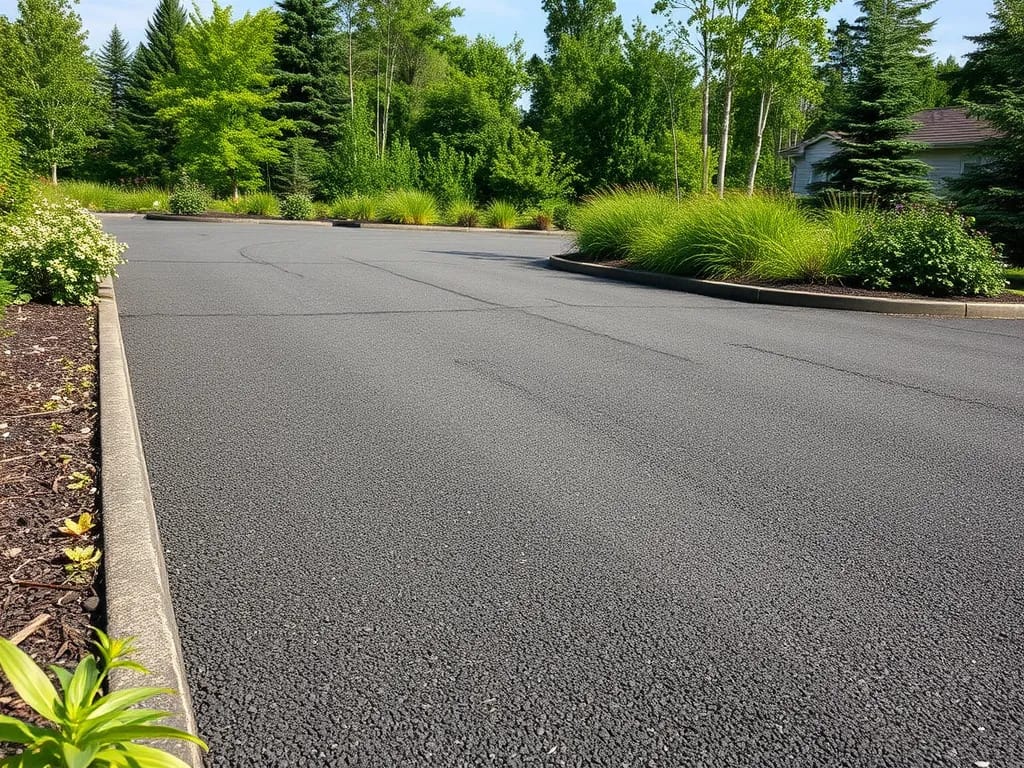
Neighborhoods in Cleveland and the surrounding suburbs are connected by the small details: a safe sidewalk to the bus stop, a smooth path to the playground, a loop trail around a retention pond. Precision Asphalt Cleveland focuses on asphalt pathways, sidewalks, and trails that fit how people here actually use them, whether that is kids on scooters in Parma, joggers along a HOA loop in Strongsville, or employees walking from parking to the office door downtown.
Asphalt pathway paving offers a flexible, cost-effective alternative to concrete for many walkways. It can handle freeze-thaw cycles, is easier to repair in small sections, and has a slightly softer feel underfoot that many walkers and runners prefer. On this page, we explain how we design and install asphalt paths that hold up to Northeast Ohio weather, the choices you will need to make, and what drives the price so you can budget with clear expectations.
How We Plan Your Asphalt Pathway Project
Before any equipment shows up, Precision Asphalt Cleveland starts with a walk-through of your property. For a school campus in Lakewood, a church in Old Brooklyn, or a business park in Independence, we look at how people actually move through the site. We note where water collects after storms, where tree roots are surfacing, and how snowplows currently operate. This planning step keeps small issues from becoming expensive problems during construction.
We discuss the primary use of the path. A light-use garden pathway behind a home can be built differently than a multi-use trail that will see bikes, maintenance carts, and strollers all year. We also review ADA accessibility needs, slope requirements, and preferred widths. Most residential sidewalks are 4 to 5 feet wide, while community trails often range from 8 to 10 feet depending on expected traffic.
During planning, we call in Ohio utility locates and review city or township requirements for your area. Some Cleveland suburbs require permits or specific setbacks from property lines for sidewalks and pathways. We help you understand what is needed, how long approvals typically take, and when we can realistically start work based on the season and your schedule.
Step-by-Step: How Asphalt Pathway Paving Is Done
Good asphalt pathway paving in Cleveland begins with the base, not the blacktop. First we strip away grass, topsoil, old broken pavement, or loose gravel along the path alignment. The excavation depth depends on soil conditions and expected use, but for most walkways we remove 6 to 12 inches of material to create room for a stable stone base and asphalt layers.
Next we install and compact a base of crushed limestone or similar aggregate, typically 4 to 8 inches deep for pedestrian paths and more for heavier service areas. We use plate compactors or small rollers to hit density targets, and we check for soft spots and correct them immediately. A pathway that feels spongy beneath your feet usually traces back to poor base compaction.
Once the base is set, we shape the cross-slope of the future path, often 1.5 to 2 percent, so water sheds to one side instead of pooling on the surface. This is especially important in Northeast Ohio, where standing water will freeze in winter and break down the asphalt. On slopes or near drainage swales we may install small swales or underdrains to divert water safely.
For most projects we then set forms or edge restraints, such as concrete curbing, timber edging, or steel edging, to hold the asphalt edges and keep the pathway crisp. Finally, we place and compact the asphalt in one or two lifts, depending on design thickness. Walkways commonly receive 2 to 3 inches of compacted asphalt. We use smaller, more maneuverable rollers to avoid damaging nearby lawns or landscaping while still delivering a tight, smooth finish.
Material Options for Pathways, Sidewalks, and Trails
Not every asphalt mix is the same. For standard sidewalks and residential pathways, Precision Asphalt Cleveland typically uses a fine-graded surface mix, sometimes called a driveway mix, that has smaller aggregate for a smoother walking surface. This is more comfortable for pedestrians, wheelchairs, and bikes than a coarser road mix.
For multi-use community trails and commercial sidewalks that see maintenance vehicles or occasional light truck traffic, we often recommend a structure similar to a light-duty parking lot. That means a thicker stone base, a stronger binder course below, and a fine surface course on top. In higher risk areas where tree roots are known issues, we may adjust the base depth or alignment, or in some cases mix in root barriers and improved drainage to reduce heaving.
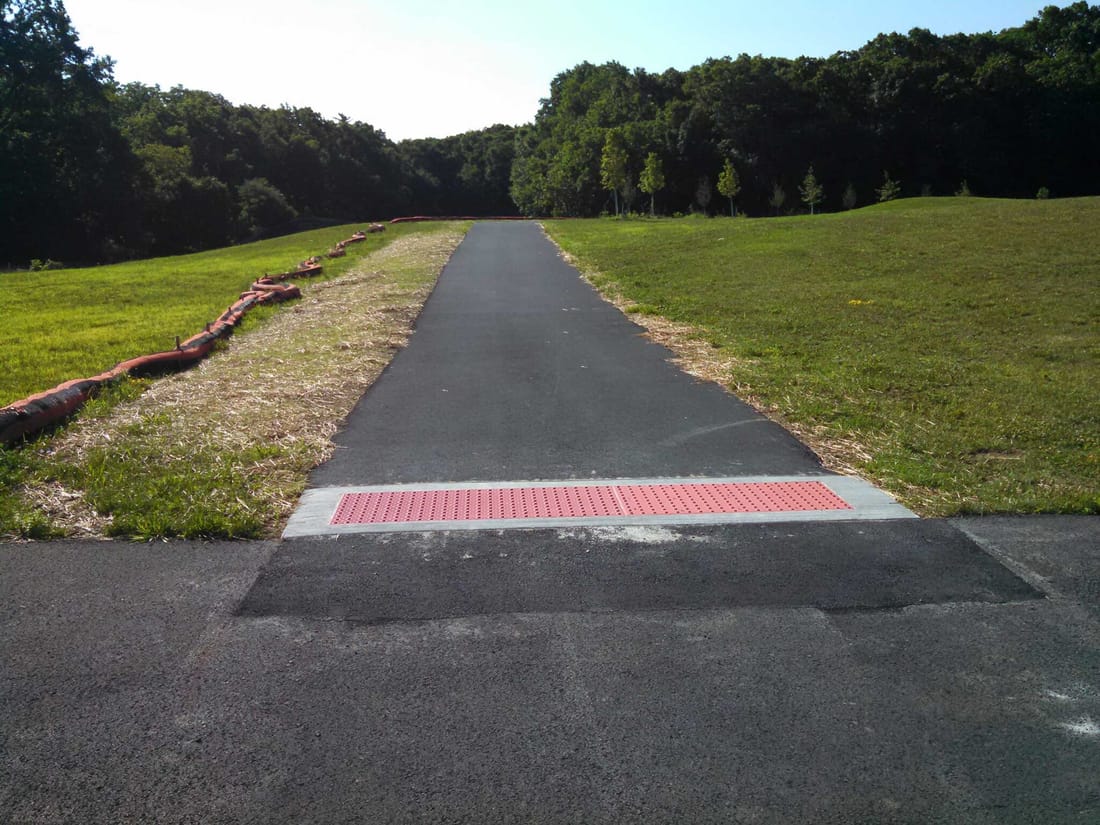
If you want a more natural look, such as a path through a park or around a retention pond, we can use a dark, fine asphalt and blend edges with topsoil and seed so grass grows right up to the path. For high-visibility areas, such as school crosswalk approaches or corporate campuses, we can prepare asphalt surfaces for specialty coatings, like colored sealers or striping, to guide traffic and support wayfinding.
What Affects Cost for Asphalt Pathway Paving in Cleveland
Pathway and sidewalk projects come in many sizes, from a short connector from your driveway to the front door to a half-mile loop around a HOA property. The length and width of the path are obvious cost factors, but there are several others Cleveland property owners should understand before requesting quotes.
Site access is a big one. If we can get small paving equipment and a dump truck close to the work area, costs stay reasonable. When wheelbarrow work, long material hauls, or temporary access roads are needed, labor hours increase. Existing conditions also matter. Removing old concrete, large tree roots, or thick layers of unstable fill will add prep time and disposal costs.
Subsoil and drainage conditions in Northeast Ohio can vary a lot, even within a single property. Soft clay areas may need additional stone, geotextile fabric, or deeper excavation to keep the pathway from settling or cracking later. We explain these options on site and price them clearly so you know whether you are paying for standard construction or enhanced stabilization.
Timing also affects cost. In this climate, the most reliable paving season runs from late April through October, with May, June, and September often giving the best mix of warm temperatures and lower rain risk. Scheduling during peak weeks can limit flexibility. If your project can be grouped with nearby work, we can sometimes reduce mobilization charges.
Common Problems and How We Prevent Them
Cleveland winters are tough on any pavement, and pathways are no exception. The most frequent issues we see on older asphalt sidewalks and trails are cracking from poor base prep, edge crumbling where grass and soil have eroded away, and heaving around large trees. Precision Asphalt Cleveland addresses these risks in the initial design rather than waiting for them to appear.
To avoid cracking and settlement, we pay close attention to base depth and compaction, especially in spots that look dry at the surface but sit over wet clay. Where paths run along low spots or near downspouts, we often recommend adding simple drainage improvements, like redirecting runoff or installing a small swale beside the path. This keeps water from saturating the base and then freezing.
For edge breakdown, we offer several curb and edging options. Concrete or asphalt curbs add some upfront cost but help protect the path, especially where lawn mowers and snow blowers will run close to the edges. In shady areas where moss and algae can make paths slick, we encourage regular sweeping and periodic sealcoating, which improves traction and protects the surface from moisture.
Tree roots require careful routing. Instead of running a path directly over large roots, we try to shift the alignment a few feet, or we thicken the base and asphalt to bridge smaller root areas. We coordinate with certified arborists when major roots are involved so your trees stay healthy while the path remains smooth.
Maintenance, Repairs, and How to Get Started
Once your asphalt pathway, sidewalk, or trail is installed, a simple maintenance plan will help it last. In Cleveland, that starts with keeping edges trimmed so grass does not encroach and break down the sides. We recommend sweeping debris and leaves, especially in the fall, so moisture does not sit trapped on the surface. Every few years, a professional inspection can catch small cracks or low spots before they expand during winter freeze-thaw cycles.
Precision Asphalt Cleveland offers crack filling, patching, and resurfacing services specifically tailored to pathways and sidewalks. When a path is structurally sound but looks worn or slightly uneven, a thin asphalt overlay may restore smoothness without full reconstruction. In areas where repeated drainage problems or major settling occur, we are honest about when it is better to rebuild a short section correctly instead of endlessly patching.
If you are considering asphalt pathway paving for your Cleveland-area property, gather a simple sketch of the route, rough measurements if you have them, and photos of any problem areas like standing water or tree roots. When you contact Precision Asphalt Cleveland, we can usually schedule an on-site visit within a few business days during the main season. During the visit, we will walk the route with you, explain design options in plain language, and provide a written estimate that shows what is included so you can make an informed decision.