Home › Asphalt Milling and Reclamation
Restore failing pavement efficiently with asphalt milling in Cleveland, OH. We remove worn asphalt to a precise depth, recycle material where appropriate, and prepare a solid base for new paving. For severely damaged roads or lots, we also offer full depth reclamation to rebuild from the ground up. Contact us to evaluate your pavement and plan the right milling or reclamation approach.
Precision Asphalt Cleveland provides professional asphalt milling throughout Cleveland, OH, Ohio and the surrounding area. Our licensed, insured crew delivers safe, clean, on-time work with a free estimate before anything begins. Call (216) 455-8661 or request your free quote.
Asphalt Milling in Cleveland: What It Is and When You Need It
Asphalt milling is a way to fix a worn or uneven pavement by removing a controlled layer of the existing asphalt instead of tearing everything out. Precision Asphalt Cleveland uses milling when the base underneath your pavement is still solid but the surface has issues like rutting, dips, puddles, or surface cracking.
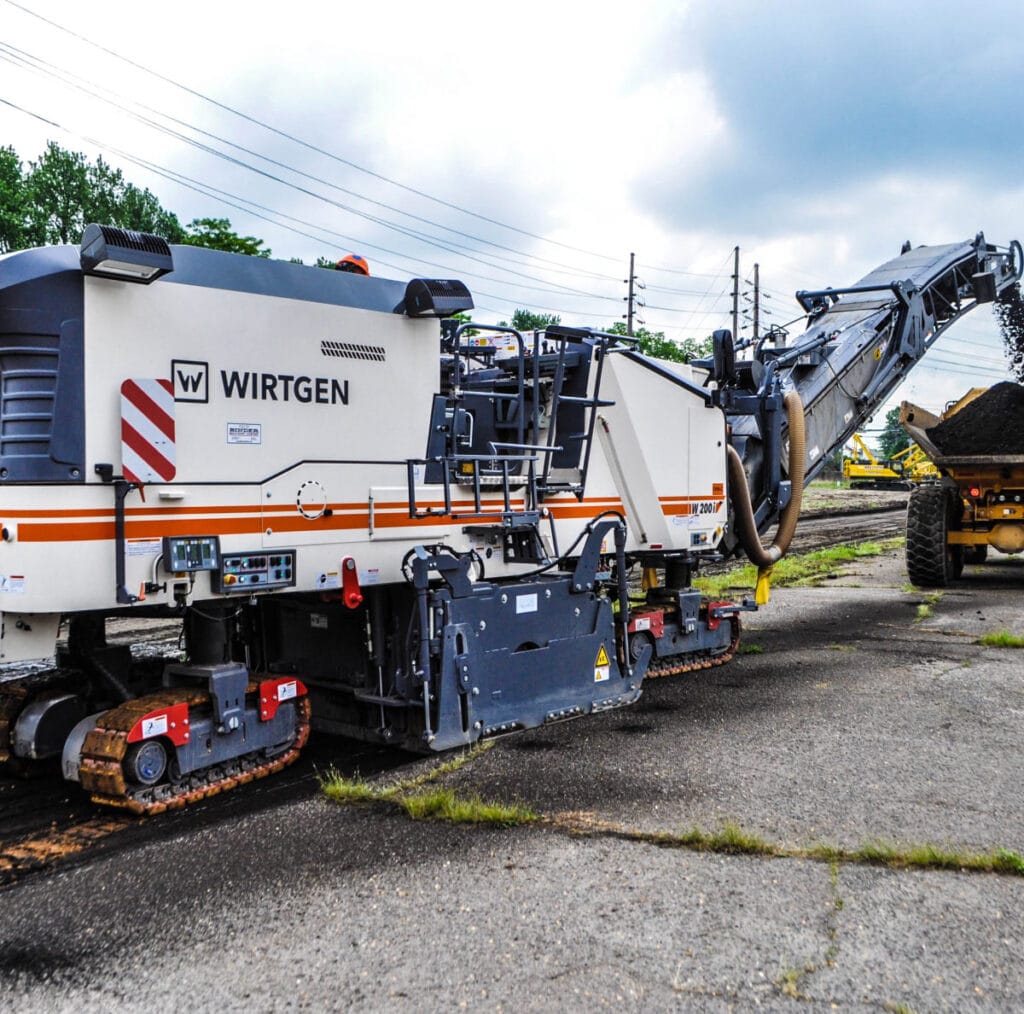
On a typical Cleveland street or parking lot, we bring in a milling machine that uses a rotating drum with carbide teeth to grind off a set depth of asphalt. That depth might be 1 inch to correct minor ruts, or several inches if we need to reset drainage slopes. We measure existing elevations around catch basins, curbs, door thresholds, and garage slabs so the new surface does not create trip edges or send water toward a building.
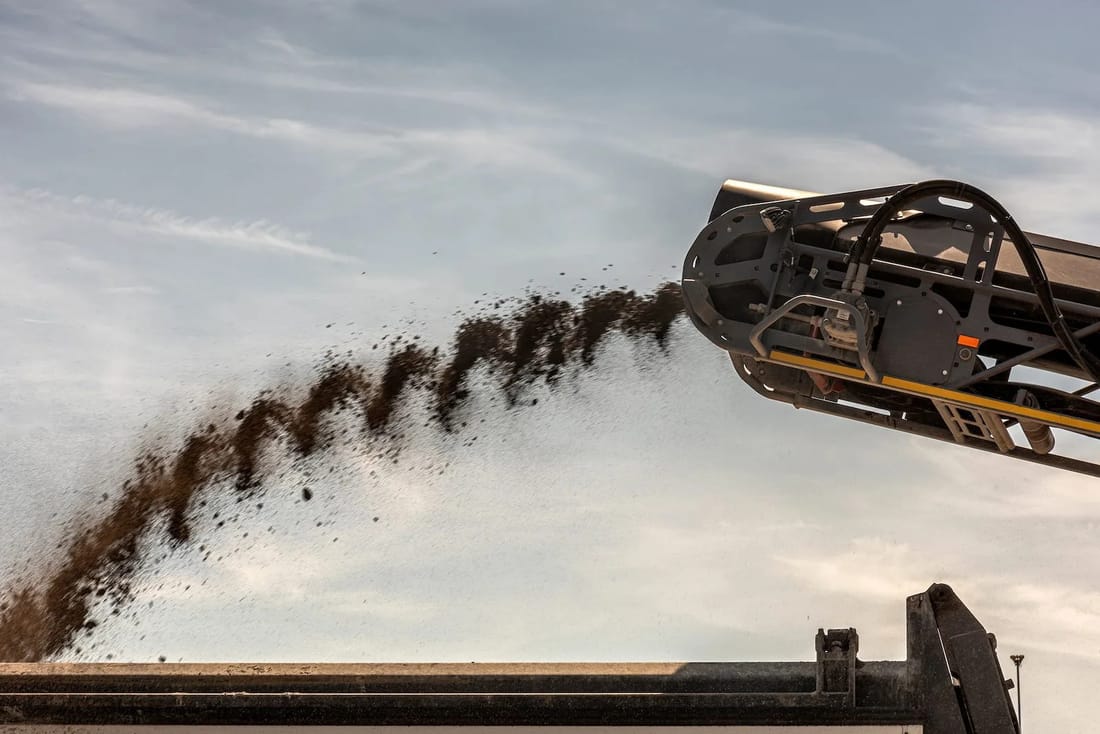
The milled asphalt is immediately conveyed into dump trucks and hauled to an approved recycling facility or asphalt plant. In our region, milled material is often reused in new asphalt mixes or as a base material, which helps control material costs and reduces waste. This is one reason milling can be more cost effective than full-depth removal.
Milling is a good fit for commercial parking lots, city streets, HOA roads, industrial yards, and long driveways in the Cleveland area where the subbase is stable but the surface layer has reached the end of its life. If we see base failure, deep alligator cracking, or pumping of water and fines up through the cracks, we will recommend localized full-depth repairs before or during milling, instead of just resurfacing over a bad base.
Step-by-Step: How Precision Asphalt Cleveland Handles a Milling Project
Every milling job in Cleveland starts with a site walk. We look for standing water, broken edges, soft spots where truck tires have sunk, and any heaving from freeze-thaw cycles. We mark problem areas with paint and take spot elevations at drains and transitions. This planning step keeps surprises to a minimum once machines start cutting.
Next, we schedule traffic control. For commercial clients, we often phase work so part of a lot stays open. That might mean milling and paving in sections over several evenings or a weekend. On residential streets, we coordinate with local rules and requirements so the city or township is satisfied with signage and access.
On milling day, we set the machine to the agreed cut depth and start at a high point, working toward drains and low spots. Our operator adjusts the drum height in real time to follow the slope design and to avoid hitting manholes or utility structures. We protect those structures with steel plates or collars and mark them in advance to prevent damage.
Once milling is complete, we sweep the surface thoroughly. This cleaning step is important in Northeast Ohio, where dust, grit, and deicing residue can weaken the bond between the milled surface and new asphalt. After sweeping, we review the milled surface for soft areas, exposed fabric, or base failures. Any weak zones are cut out and repaired at full depth before we pave. Only when we are sure the substrate is ready do we tack coat the milled surface and place new asphalt.
The final step is compaction and checking transitions. We run steel drum and pneumatic rollers to achieve a tight, smooth finish that meets Cleveland area expectations for commercial and municipal work. We check that doors open, loading docks line up, and plows will not catch on transitions. Striping and any concrete or joint work is scheduled once the surface has cooled and is ready.
Full-Depth Reclamation: When Milling Is Not Enough
Asphalt reclamation, often called full-depth reclamation, is used when the pavement and base have both failed and resurfacing will not hold up. In many older Cleveland lots and secondary roads, decades of patching, utility cuts, and freeze-thaw cycles leave the entire structure unstable. In those cases, Precision Asphalt Cleveland recommends reclamation instead of repeated overlays.
With reclamation, we use a reclaimer machine to grind the existing asphalt and a portion of the stone base together to a set depth, often 6 to 12 inches. This creates a blended material that can be shaped and compacted to form a new stabilized base. Depending on the job, we may add cement, asphalt emulsion, or other stabilizers to improve strength and moisture resistance. This is useful in areas with clay subgrade or poor drainage, which are common in parts of Northeast Ohio.
The blended material is graded to reestablish proper crown and drainage. We compact it in multiple passes to reach specified density. After curing (if a stabilizer is used), we place one or more new asphalt layers on top, just as we would over a traditional aggregate base. The result is a new pavement structure built largely from the old one, which can be a cost saver on large areas because it reduces the need to import stone.
Reclamation is particularly valuable for industrial yards, older apartment complexes, and access roads where heavy vehicles have broken the base. Instead of hauling away large volumes of failed material to a landfill or fill site, the existing pavement becomes the new base. This approach is also helpful in tight urban Cleveland sites where there is limited room for stockpiling and truck staging, since material never leaves the project in large quantities.
Costs, Options, and Common Issues With Asphalt Milling in Cleveland
Costs for asphalt milling and reclamation in Cleveland depend on several specific factors. The size of the job influences mobilization costs, so very small areas may not be cost effective to mill compared to saw-cut and replacement. Depth of milling also matters, since deeper cuts mean more time and more truckloads of material. Access for equipment, number of structures to work around, and how much traffic control is needed will all affect the price.
For overlays on milled surfaces, you can choose different asphalt mix designs. Heavier duty mixes with more stone and modified binders hold up better to fuel, turning traffic, and snowplow abuse, but cost slightly more per ton. Precision Asphalt Cleveland will typically recommend a commercial surface mix for busy parking lots and a standard municipal type mix for lower traffic areas, following local specs when required.
A very common issue in our climate is reflective cracking, where cracks from below show through a new surface. Milling reduces that risk but does not always eliminate it if the cracks extend deep into the base. We manage this by identifying structural cracks during our walk-through and performing full-depth repairs in those locations instead of relying on milling alone. In some cases, we may use a leveling course before the final surface or fabric in troubled spots.
Drainage is another key cost and performance driver. If your lot or road currently holds water in the winter or during heavy summer storms off Lake Erie, we build corrections into the milling plan. That might mean spot deepening around catch basins, reestablishing crown in drive lanes, or adding swales and new basins when the existing layout simply cannot move water. Addressing drainage while we are already milling avoids future potholes, ice sheets, and liability issues.
On reclamation jobs, stabilizer choice and depth strongly impact cost. A cement stabilized base may be best for heavy truck traffic and weak subgrade, but it requires planning around cure time before paving. We explain these tradeoffs upfront and schedule work so that operations on your site can continue with the least disruption possible.
Why Work With a Local Cleveland Milling and Reclamation Crew
Local conditions around Cleveland are hard on pavement. Freeze-thaw swings, plows, road salt, and lake-effect moisture all speed up wear. A crew that works this climate every season understands how deep ruts usually run, how far frost can move a base, and which mix designs stand up to plows used by local contractors and city crews. Precision Asphalt Cleveland uses that experience to design milling and reclamation jobs that last instead of just looking good for a year.
Our operators know how to protect sensitive structures like basement stairwell drains, older brick and block foundations, and low door sills that are common in older Cleveland commercial buildings and warehouses. We take elevation checks seriously so that after paving, you are not stuck with water pitched toward a loading dock or an office entry.
Being local also means quick response. If the city or a township inspector has a question, we can meet them on site. If weather changes, we adjust schedules fast so milling is not left open to a heavy rain that could soften your base. We also understand local utility practices and coordinate with them when manholes or valves need to be raised or adjusted during the paving phase.
When you contact Precision Asphalt Cleveland about asphalt milling or reclamation, we will walk the site with you, talk through what is failing, and explain whether straight milling, spot repairs plus milling, or full-depth reclamation is the best long-term move. You will know what is happening to your existing pavement, how much of it will be reused, what type of asphalt will go back, and how the schedule will affect your customers or residents. That transparency, combined with local experience, is what keeps our projects performing through many Cleveland winters.